David Brooks
July Resident 2025
A Letter from David Brooks:
Landscape as Time Capsule
Dear Villa Lena Readers,
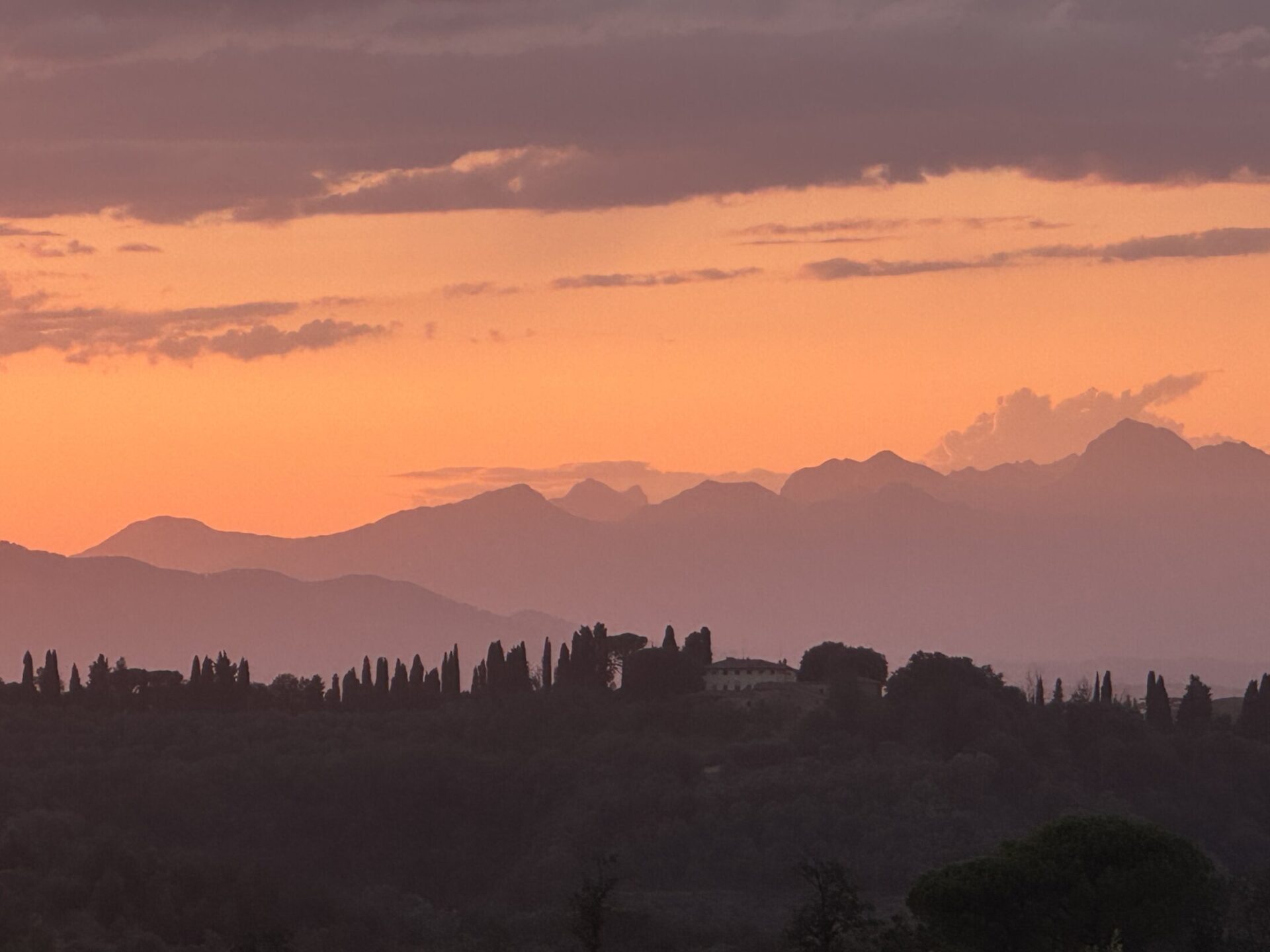
When one takes in the wildly romantic vistas of the Villa Lena landscape, a cursory glance will reveal the nearby hilltop towns of Palaia, Legoli, Montefoscoli, and Balconevisi—and, in the far haze, perhaps Peccioli. Some locals told me that on an exceptionally clear day one might glimpse the white marble cliffs of Monte Sagro near Carrara—something I believe is technically and optically impossible, but a sentiment I cherish nonetheless.
As a devout birder, many of my walks toward Toiano began in search of Black Kites, Cirl Buntings, Firecrests, Treecreepers, and migrating Bee-eaters. Yet it is at the lookout over the Calanchi di Toiano, along the Strada Comunale, that the deeper story of the landscape and its beings reveals itself. The freshly eroded hillsides expose their silty underlayers; limestone gives way to younger fluvial sediments. These strata testify to millions of years of shifting waters and sedimentary drift. The particles composing these soils may once have journeyed from as far away as Croatia, Austria, and even Norway, carried by rivers that emptied into ancient basins before settling into what is now Tuscany’s fertile terrain.
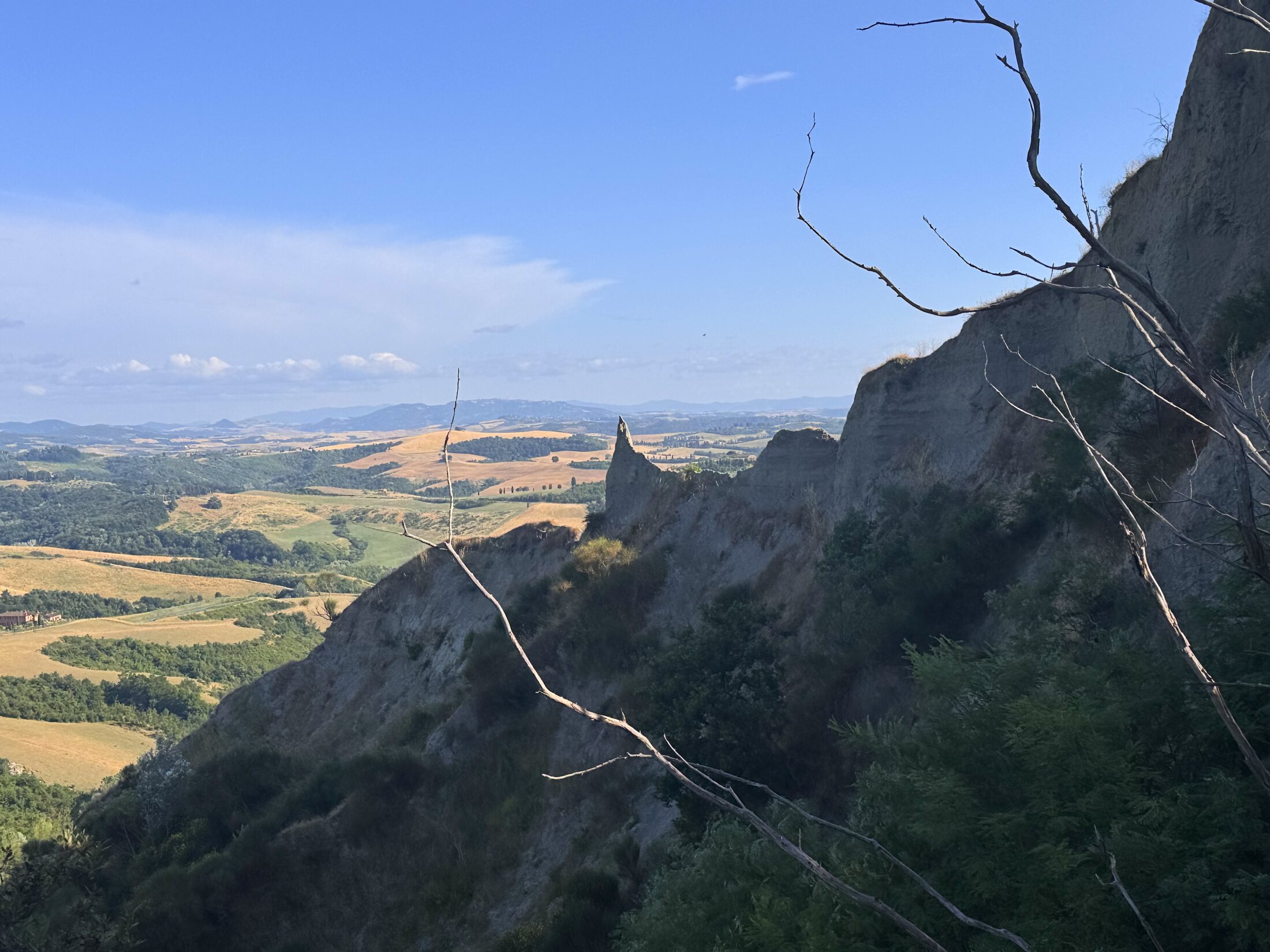
With a measure of poetic license, one will soon understand how this has everything to do with art in the western cannon, and the enduring romanticism of Villa Lena and its goings-on. Tuscany is, after all, a terrain born of oceans and collisions: ancient sea floors, metamorphic cores, and younger basins entangled in a long story of creation and renewal. Around 223 million years ago, the land that would become Italy lay beneath the vanished Tethys Ocean. This ancient sea was spotted by an archipelagos of islands. Imagine those islands as the ancient counterparts of today’s towns perched atop the archipelagos of hills, like Palaia, Balconevisi, and Peccioli. There the shells of countless microscopic organisms, mainly foraminifera, accumulated in thick calcium-carbonate layers upon the seabed, whose deaths seeded new layers of stone.
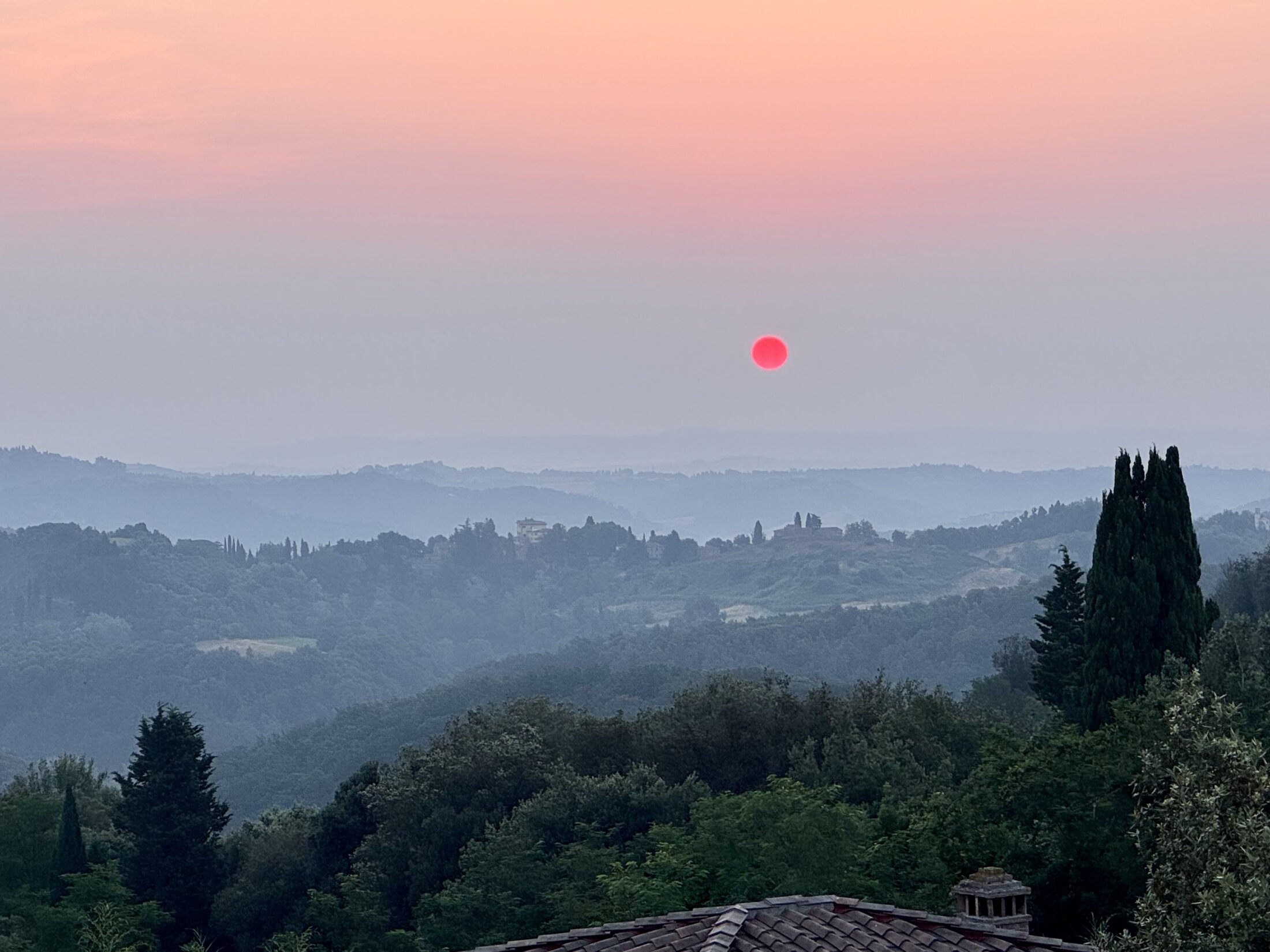
Over the next 120 to 140 million years, these sediments slowly compacted into limestone, which was folded over and over like kneaded dough, and subjected to levels of heat and pressure, the scaele of which only a planetary force can impose.
As these deposits underwent metamorphism, their calcium carbonate recrystallized into interlocking grains of calcite, producing the fine crystalline structure of marble—and, ultimately, the luminous Carrara stone. Around 50 million years ago, compression from the collision of the African and Eurasian plates thrust these marble beds upward, exposing them to the elements and ultimately to future quarrying. By Roman times, this once-subterranean stone had become accessible and soon emerged as antiquity’s most coveted material. From Carrara marble rose the Pantheon, Trajan’s Column, and the Portico di Ottavia—works that embedded this metamorphic rock into the material DNA of Western monumental architecture.
Centuries later, Michelangelo Buonarroti carved from it his David, Pietà, St. Matthew, and Moses, among others. His obsession with Carrara marble was itself metamorphic. The stone’s crystalline structure allows light to penetrate about three millimeters beneath the surface, giving it a soft inner glow. As Buonarroti carved the veins of an arm, the curls of hair, or the undulation of a muscle, the stone appears to radiate life, replete with particles of light. What was once limestone, born of marine organisms nourished by sunlight, had come full circle: its luminosity now emanated from cultural forms shaped by human hands. Quite literally, these sculptures are composed of ancient life, transformed into stone, and then returned to a semblance of cultural life.
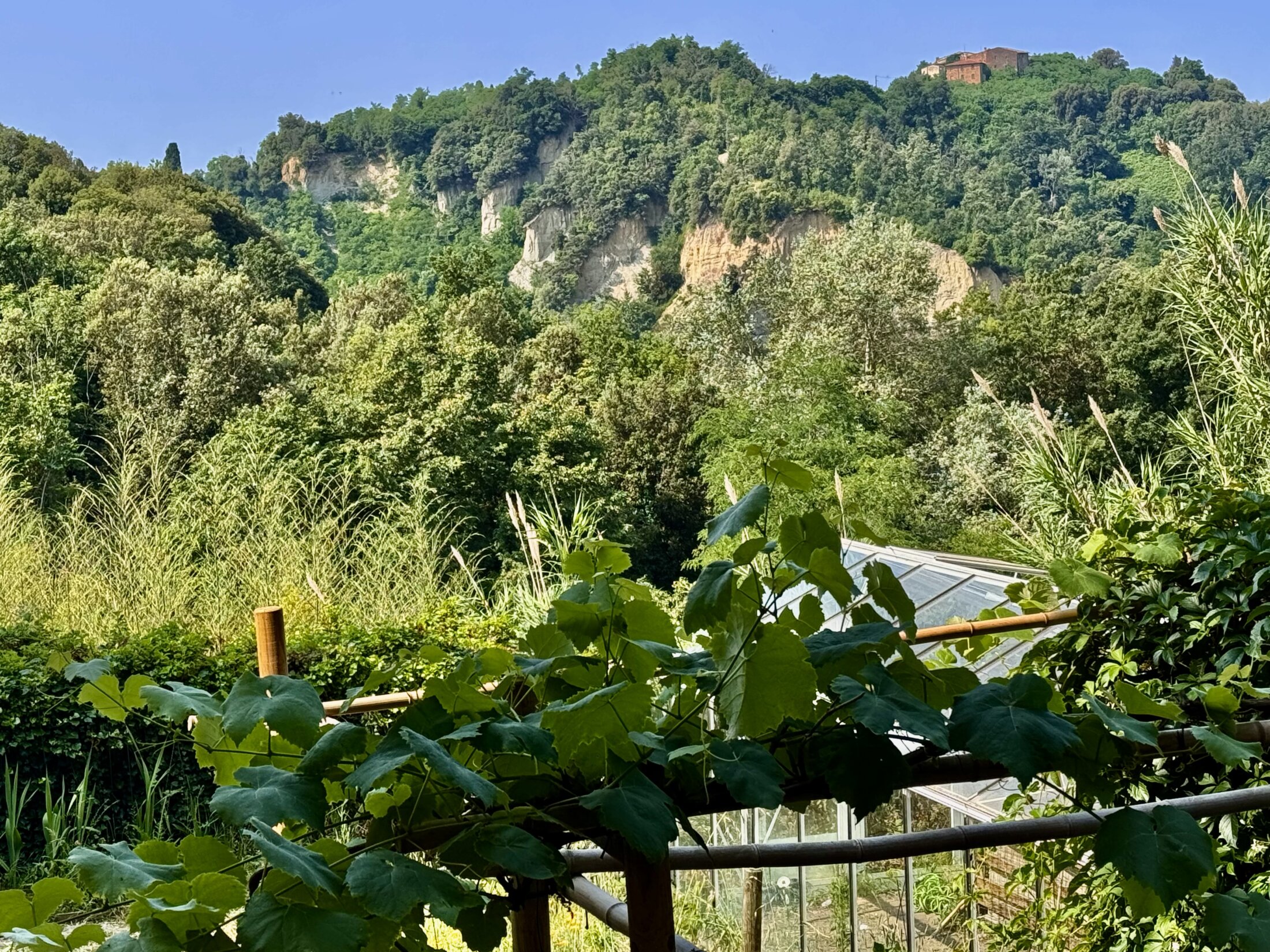
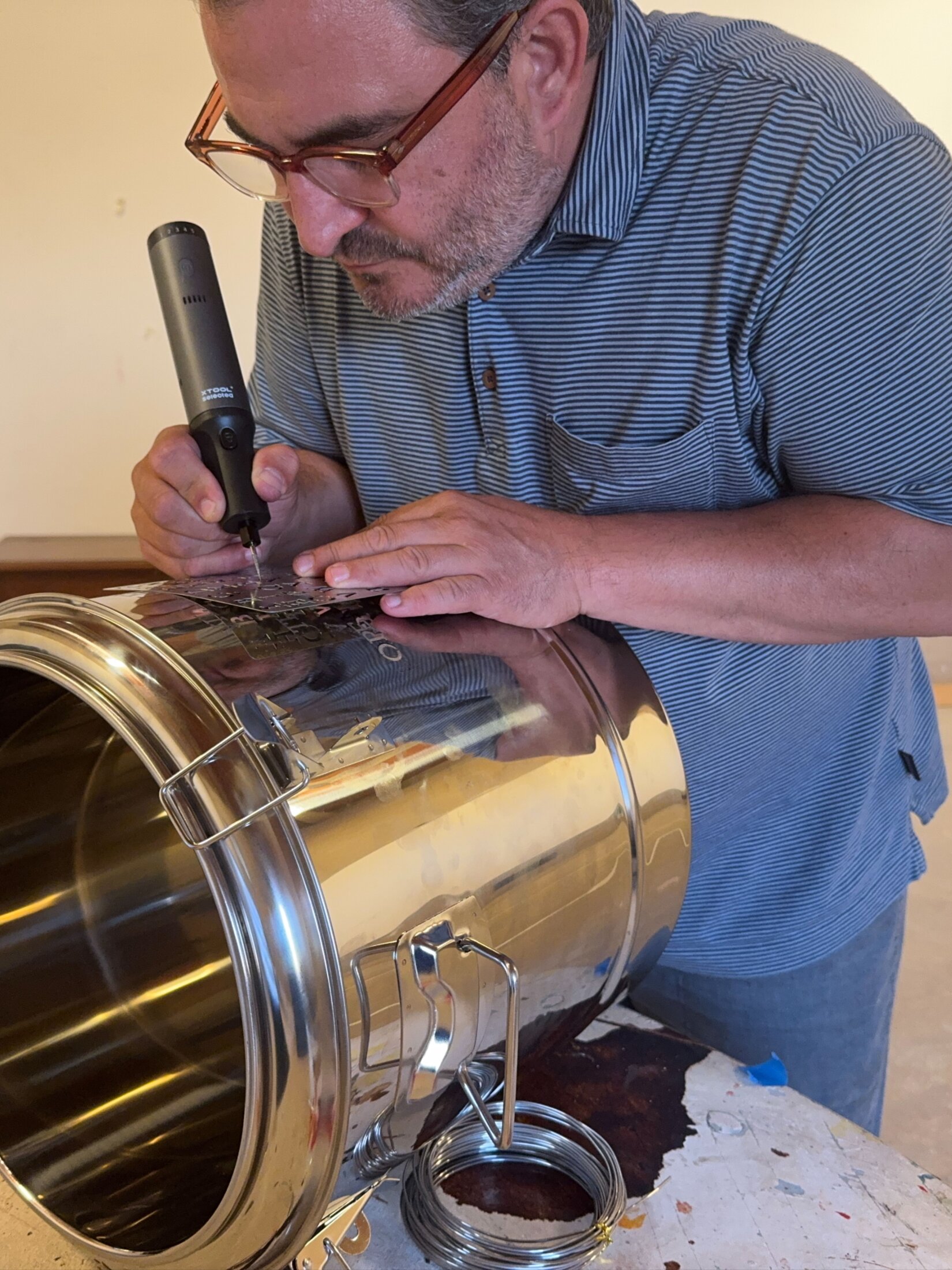
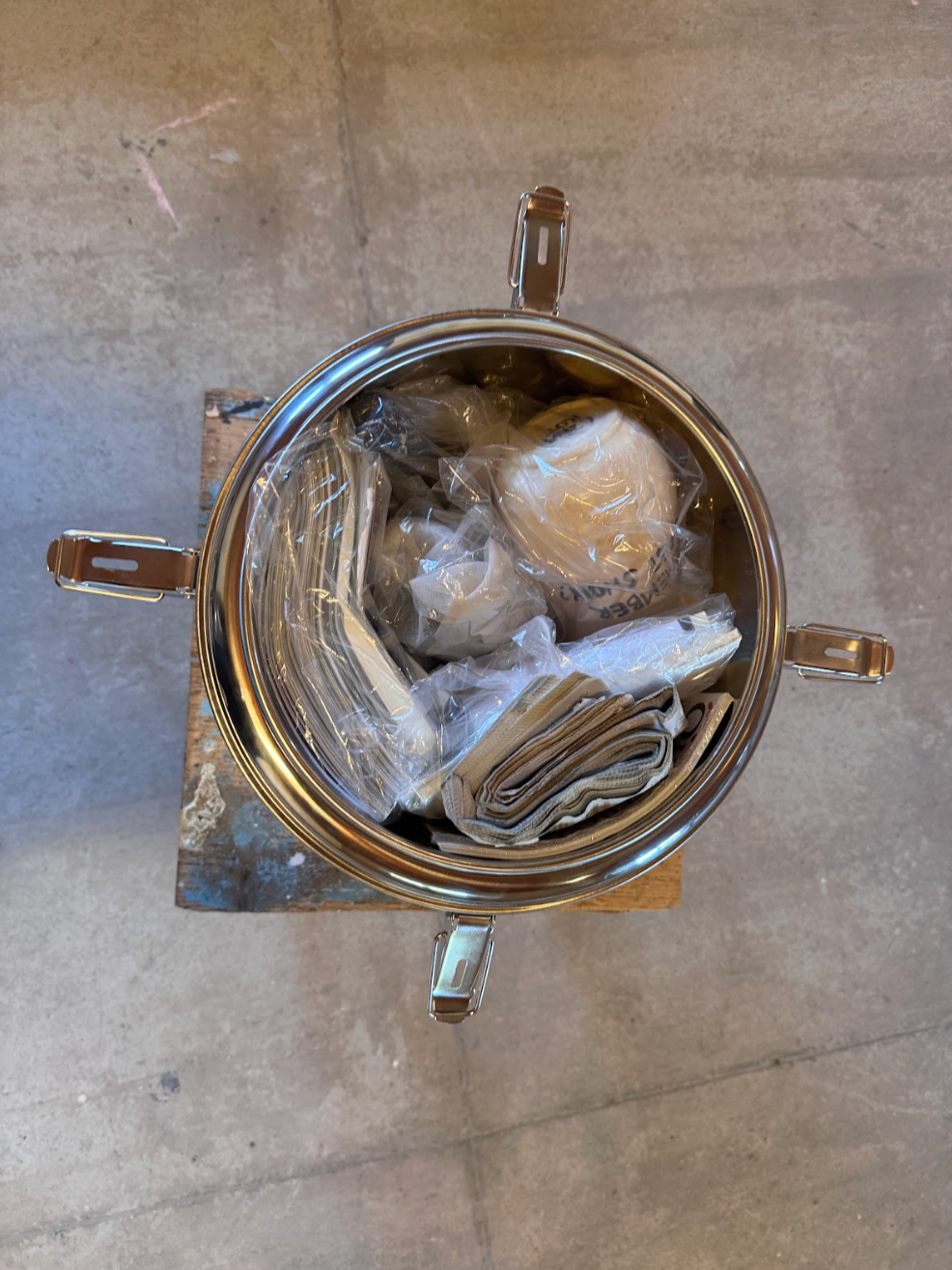
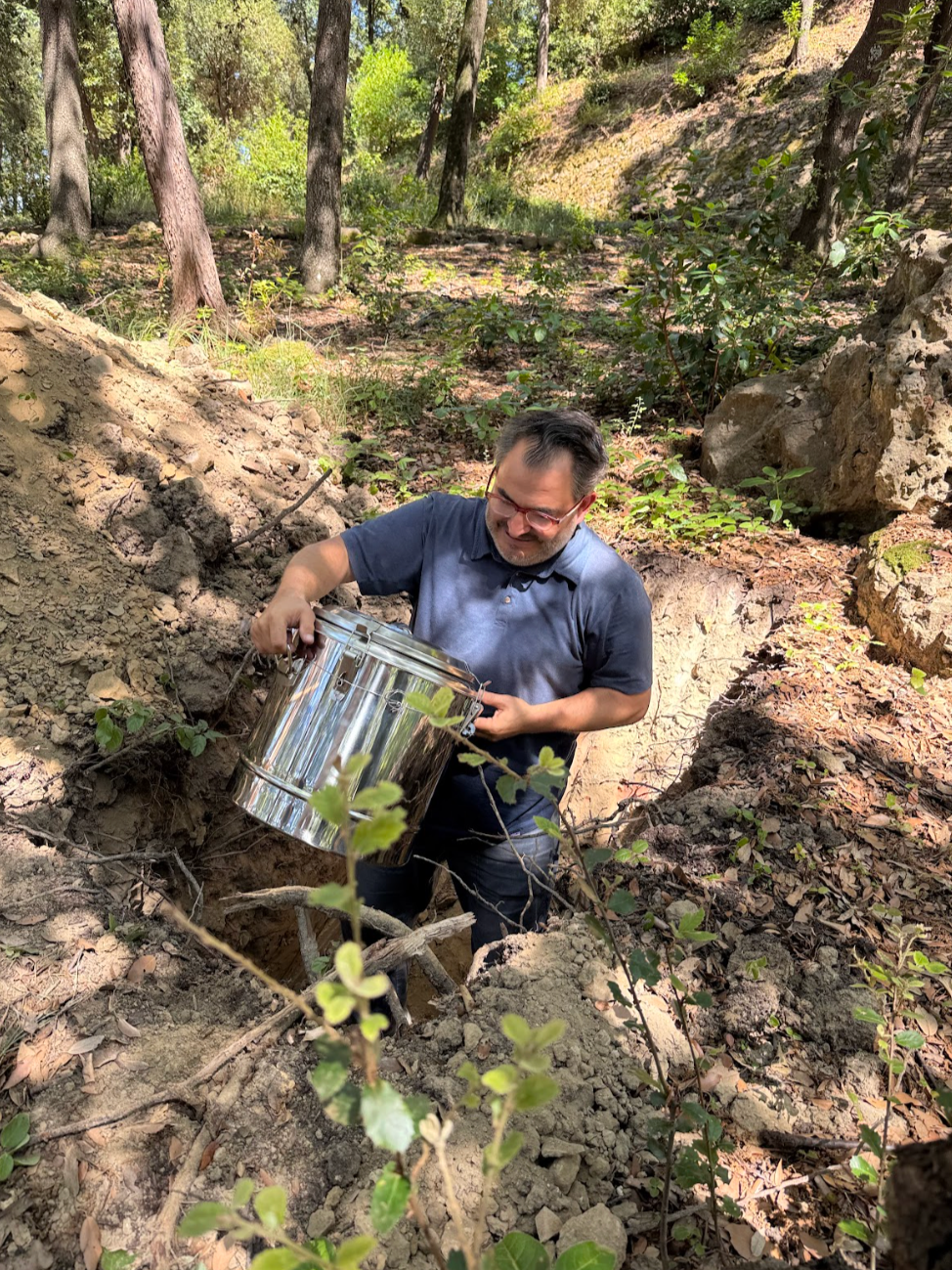
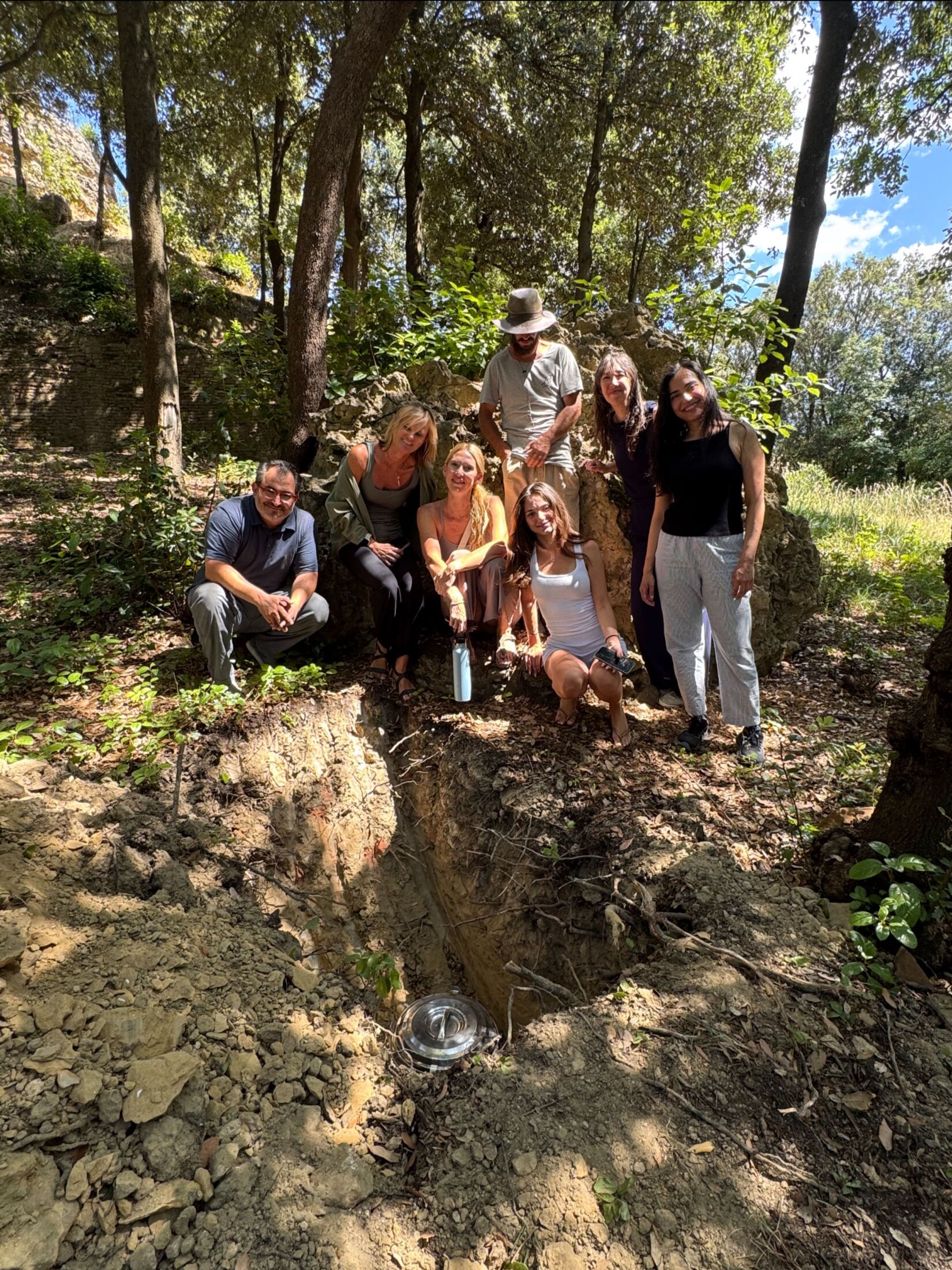
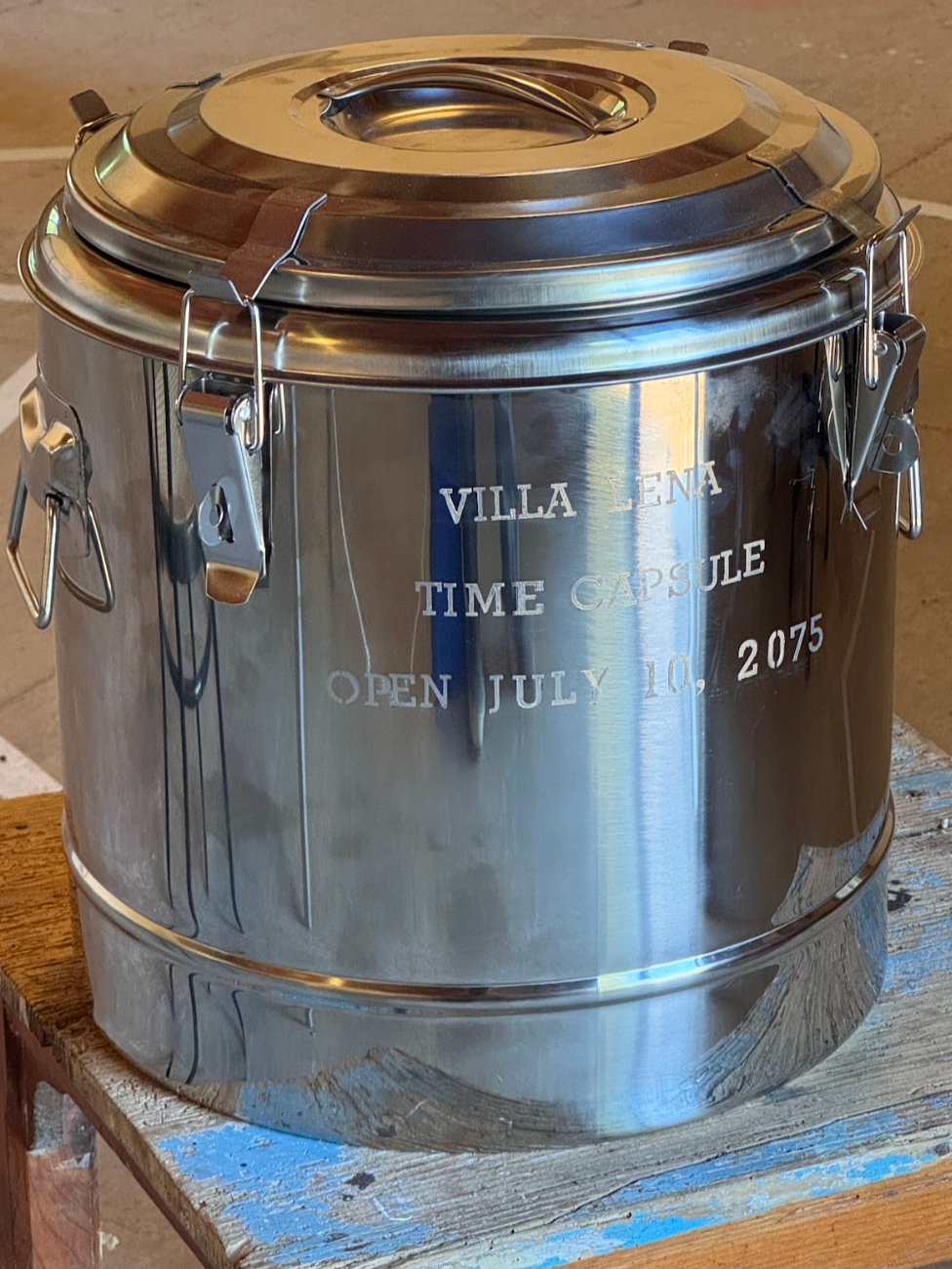
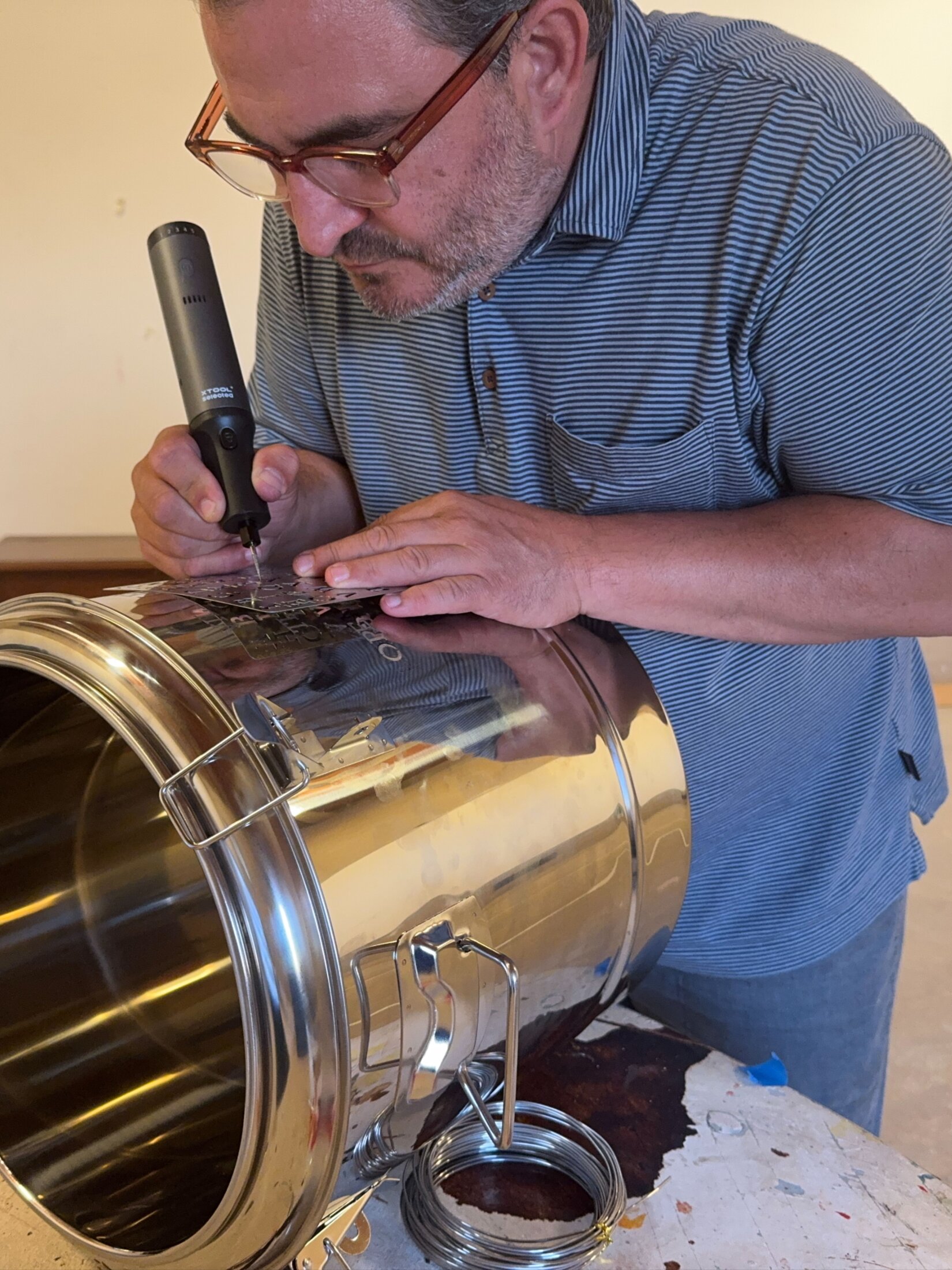
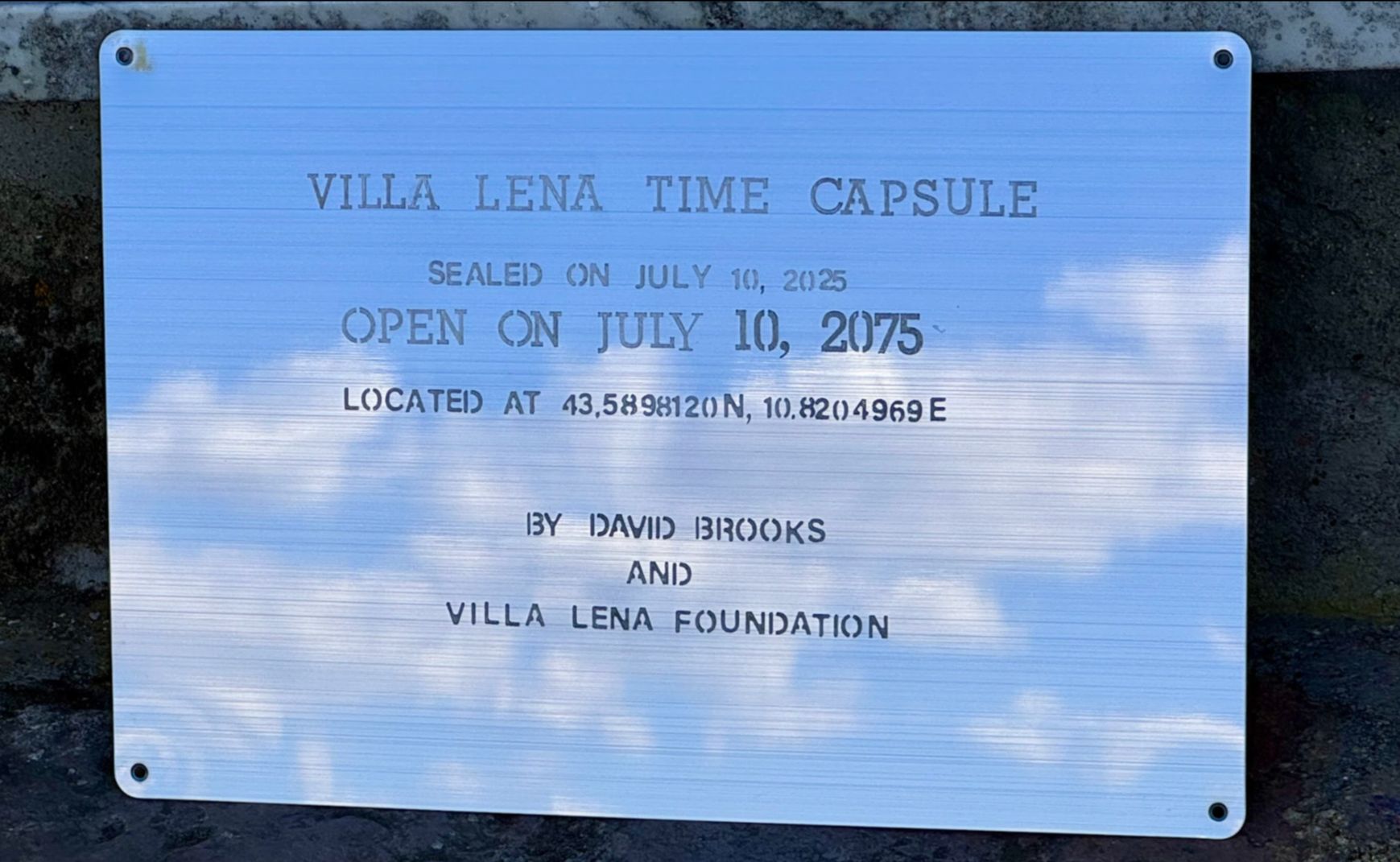
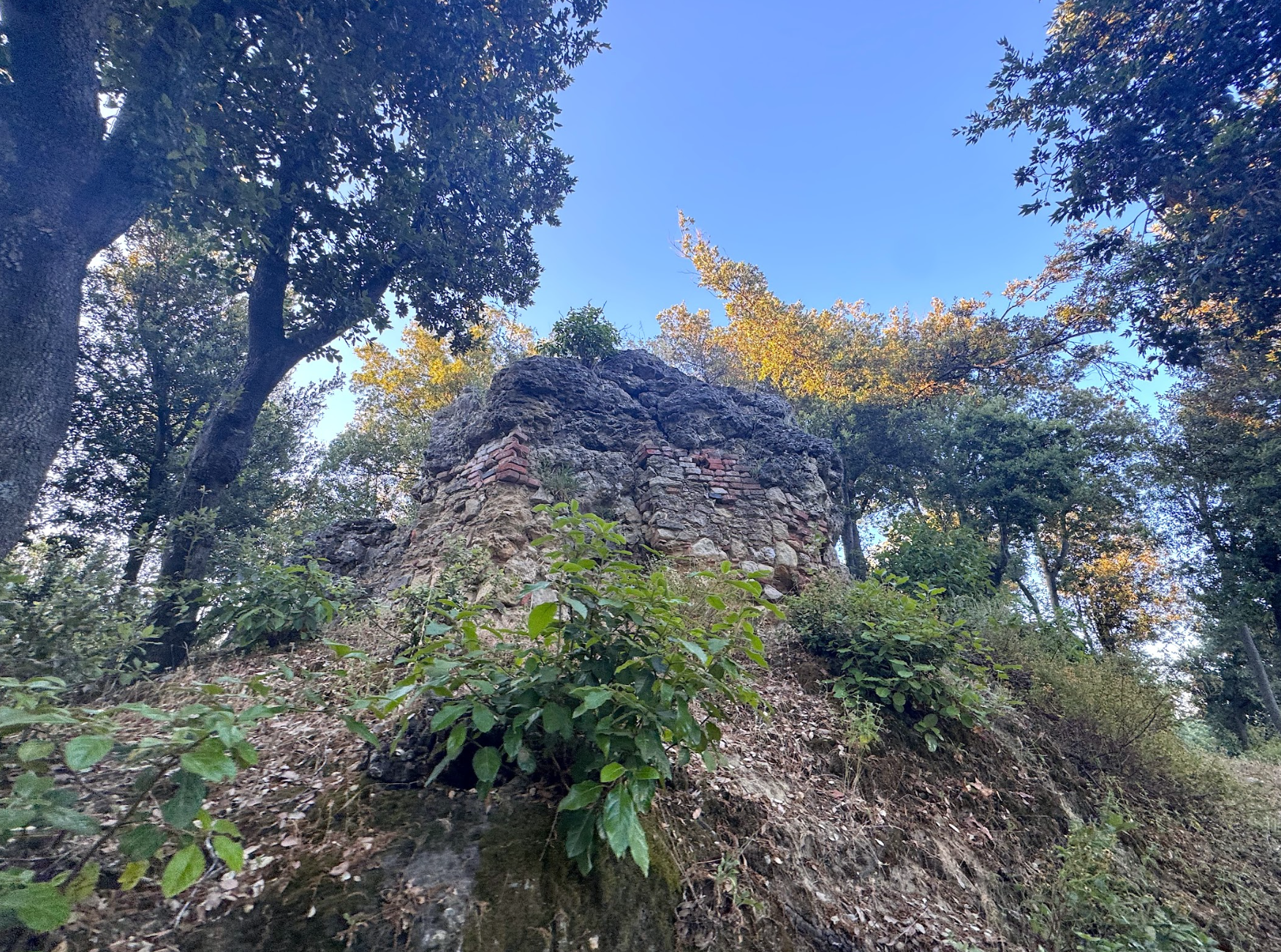
I, too, wished to participate in this subterranean wonderland, though of a more secular manner. During my residency at Villa Lena, I created a time capsule buried among the tower ruins of the early medieval castle of Toiano (at 43.5898120° N, 10.8204969° E, to be precise). It was sealed on July 10, 2025, to be opened exactly fifty years later, on July 10, 2075. Inside are a selection of my own cultural foraminifera, alongside contributions from the artists and community of Villa Lena at that time, including from Lena herself. Also enclosed are my versions of interlocking calcite grains: drawings, stories, notes, and artifacts that record the momentary makeup of the Villa Lena environs. Carrara marble’s formation offers a exacting metaphor for cultural memory: an organic substance subjected to immense pressure until it becomes a new, enduring form…like a time capsule.
Warmly,
David Brooks
Thank you to Lena Evstafieva, Anna Dyulgerova, Natasha Malik, Amy Reading, Hanna Dethlefs, Lena Rot, Gillian Donaldson, Abigail Schwartz and the marvelous staff at Villa Lena.
A MOMENT BURIED IN TIME